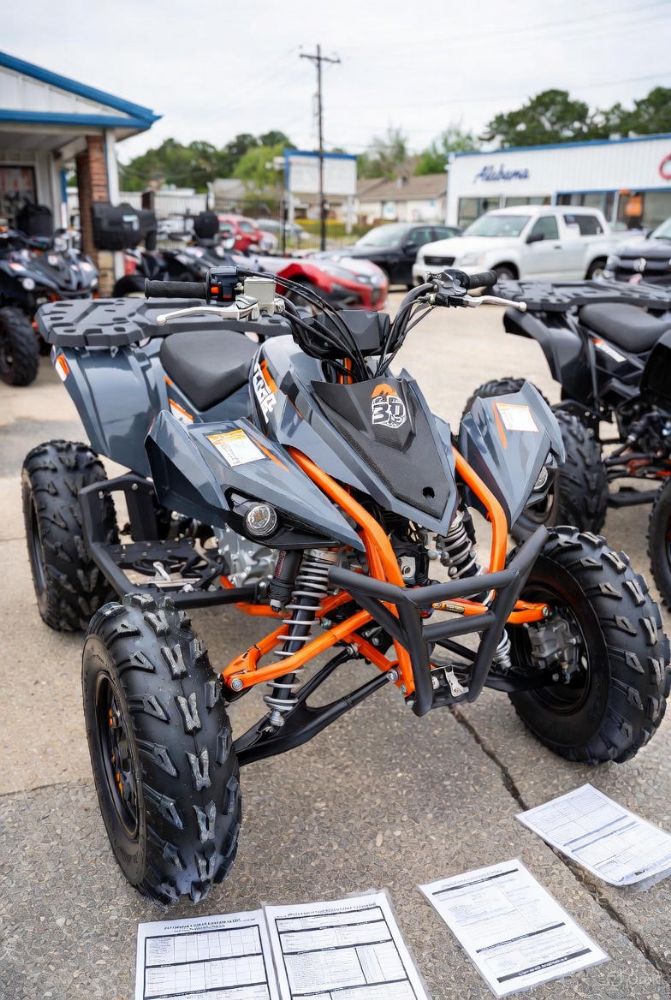
As we approach 2026, Alabama ATV enthusiasts and owners need to be aware of significant changes in how off-road vehicles, including all-terrain vehicles (ATVs), are handled under state law. A new requirement for certificates of title will take effect for vehicles manufactured in 2026 or later, marking a shift from the previous system where titling was not mandatory. This change aims to enhance vehicle security, reduce theft, and streamline ownership transfers. Below, we'll break down the background, what's new, the application process, and what it means for ATV owners.
Background on ATV Regulations in Alabama
Historically, ATVs and other off-road vehicles in Alabama have not required a certificate of title. Instead, owners could voluntarily register their vehicles with the Alabama Law Enforcement Agency (ALEA) for either public or private use. Public use registration, which allows operation on designated off-road areas, costs $45 plus a $2.50 issuance fee and is valid for three years. Private use, limited to agricultural or exclusive private property use, is $15 plus the issuance fee, also for three years. This registration provides a decal and helps with identification but doesn't involve titling.
The voluntary nature of registration meant many ATVs operated without formal state oversight beyond basic safety rules. However, concerns over theft and resale of stolen vehicles prompted legislative action. In 2024, Alabama passed House Bill 233 (HB233), which introduces mandatory titling for newer off-road vehicles. The bill was enacted on May 6, 2024, and became effective October 1, 2024, but the titling mandate specifically applies starting January 1, 2026.
What's New in 2026: Mandatory Titling for ATVs
Under HB233, every off-road vehicle with a model year of 2026 or later—or manufactured with such a designation—must obtain a certificate of title if no prior title has been issued by the Alabama Department of Revenue (ADOR). This includes ATVs, which are defined as motorized vehicles 60 inches or less in width, with a dry weight of 1,500 pounds or less, designed for off-road use on three or more non-highway tires, typically for a single operator or one with a passenger.
The law also covers utility task vehicles (UTVs) or recreational off-highway vehicles (ROVs) up to 80 inches wide and 3,500 pounds dry weight, designed for multiple passengers. Exclusions apply to items like electric bicycles, golf carts, farm tractors, lawnmowers, and vehicles used for military, emergency, or agricultural purposes exclusively.
Importantly, this titling is separate from registration. While registration remains voluntary for most uses, the title serves as proof of ownership and is required for all qualifying new vehicles. Vehicles over 10 model years old are exempt from titling as of January 1 each year, along with other categories like low-speed vehicles or those over 35 years old.
This new process is expected to help law enforcement track vehicles more effectively and provide owners with better protection against fraud during sales or transfers.
The Titling Application Process
To comply, owners must apply for a certificate of title through a designated agent. These agents include county license plate issuing officials (like judges of probate or revenue commissioners), licensed motor vehicle dealers, and certain financial institutions. Applications can often be initiated at the point of purchase if buying from a dealer.
Key steps include:
- Gather Documentation: Provide proof of purchase, such as a bill of sale or manufacturer's certificate of origin (MCO), along with identification. If the vehicle has a lien, the lienholder's information is required.
- Submit Application: Fill out the title application form (available through ADOR or agents). Include details like the vehicle's VIN, make, model, year, and owner information.
- Pay Fees: The base title application fee is $15 for motor vehicles, plus a $1.50 commission for the designated agent. Some counties may add local processing fees, ranging from $18 to $23 depending on the location.
- Address Changes: If your name or address changes after titling, notify ADOR within 30 days to update the title.
- Receive Title: Once processed, the title will be issued and mailed to the owner or lienholder.
The ADOR may adopt additional rules to refine this process, so checking their website or contacting a local agent is recommended as 2026 approaches.
Implications for ATV Owners and Dealers
For buyers of 2026-model ATVs, this means an extra step at purchase, but it offers long-term benefits like easier resale and insurance claims. Dealers must also adapt, as the law requires off-road vehicle dealers to obtain licensing starting October 1, 2025. Non-compliance could result in penalties, so early preparation is key.
Existing ATV owners with pre-2026 models remain unaffected by the titling requirement, though voluntary registration is still encouraged for public use. Always adhere to safety rules: ATVs cannot be operated on public roads unless specifically allowed, and operators under 16 may need supervision.
In summary, Alabama's new ATV titling process for 2026 represents a proactive step toward better vehicle management. By staying informed and complying early, owners can avoid hassles and enjoy their off-road adventures responsibly. For the latest updates, visit the Alabama Department of Revenue or ALEA websites.



 Login
Login
 Home
Home
 State of Alabama